Lower back tight?
Try these in five minutes.
Eight stretches a physiotherapist would actually pick. Four routines: one for when your back has just gone, one for when it's a disc, one for the morning, one for staying pain-free. Hit start, follow the timer, breathe.

What does your back feel like right now?
It just locked up
Fresh tweak. Can move but cautiously. The 4-minute acute routine: gentlest stretches only, no extension load.
Worse when sitting
Sitting hurts, walking helps, occasional leg ache. The McKenzie extension protocol, 8 minutes, evidence-based.
Just want to stay this way
No current pain. Daily 12-minute maintenance routine to keep recurrence rates low.
5-minute beginner routine
The default starting point. Five gentle stretches in a guided sequence with a 3-second get-ready, the hold, then a 5-second rest before the next move. The timer reads each stretch's cue out loud so you can keep your eyes closed.
This routine
- Knee-to-Chest Stretch30s × 2
- Child's Pose45s
- Cat-Cow45s
- Supine Spinal Twist35s × 2
- Pelvic Tilt5s
Every stretch on this site, with the muscle it targets and why it's here.
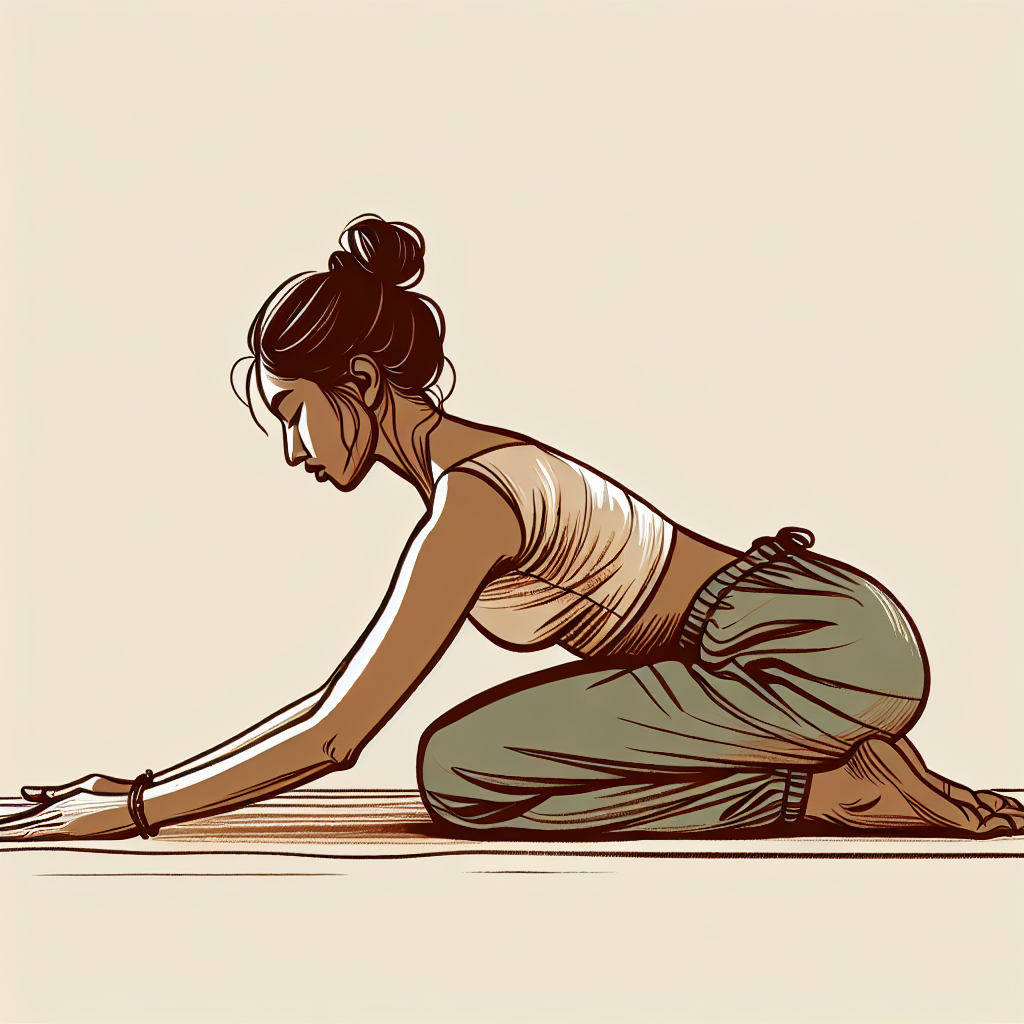
Child's Pose
Lumbar paraspinals, Latissimus dorsi
beginner · 45s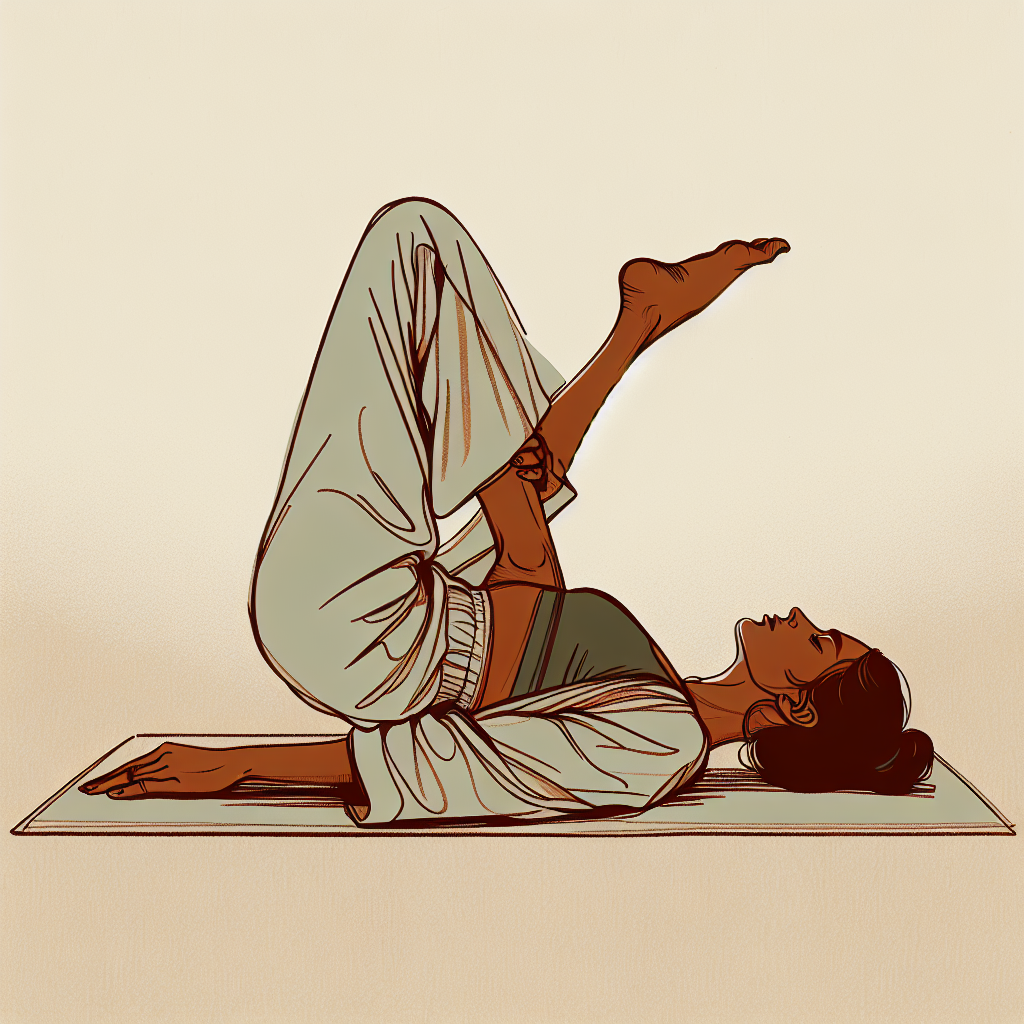
Knee-to-Chest Stretch
Lumbar paraspinals, Glute max
beginner · 30s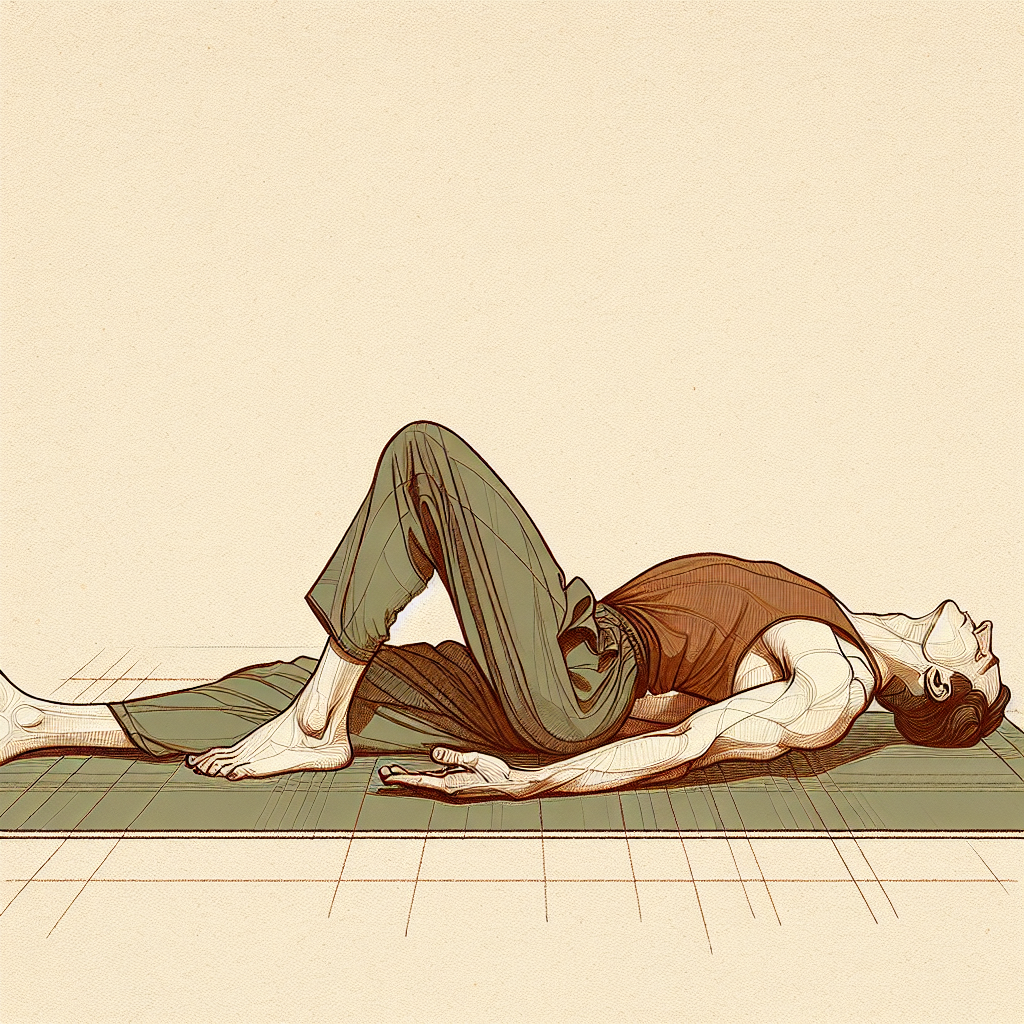
Supine Spinal Twist
QL (quadratus lumborum), Obliques
beginner · 40s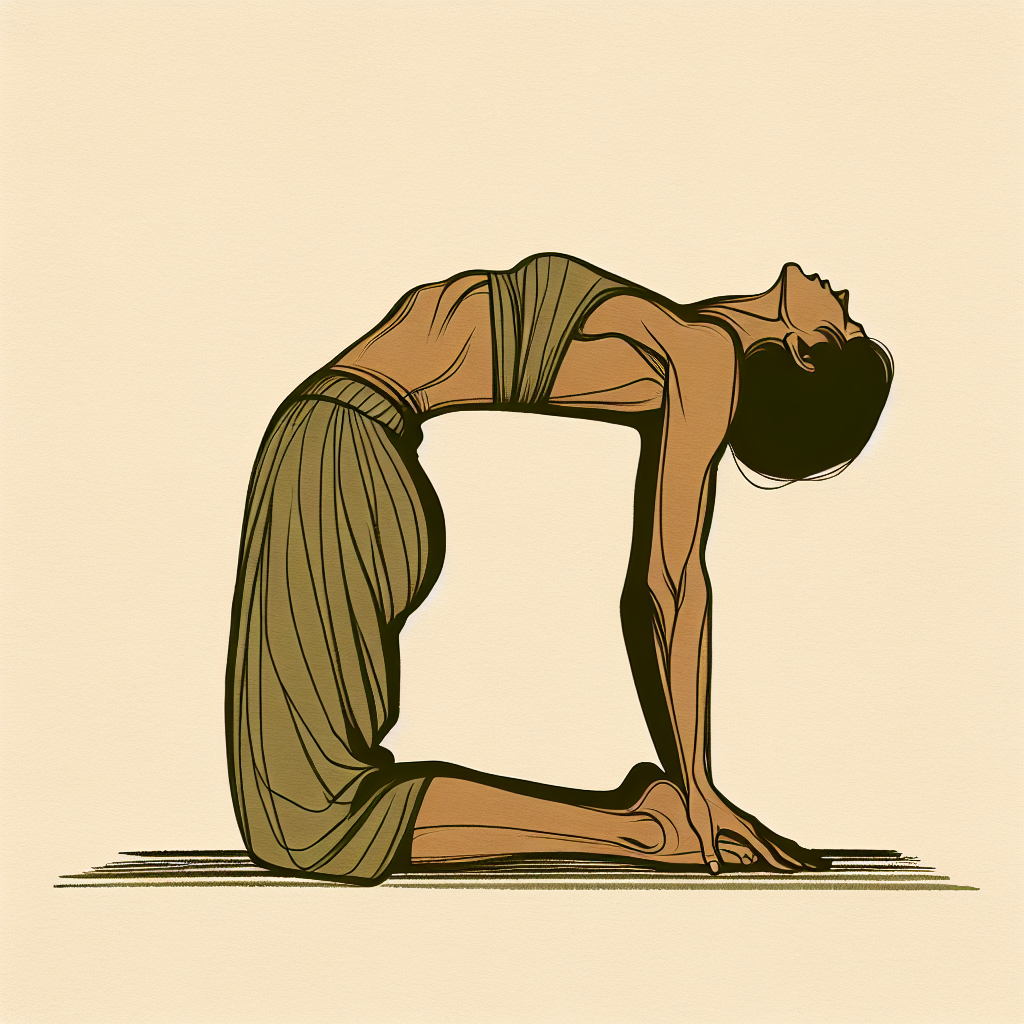
Cat-Cow
Lumbar erectors, Thoracic erectors
beginner · 45s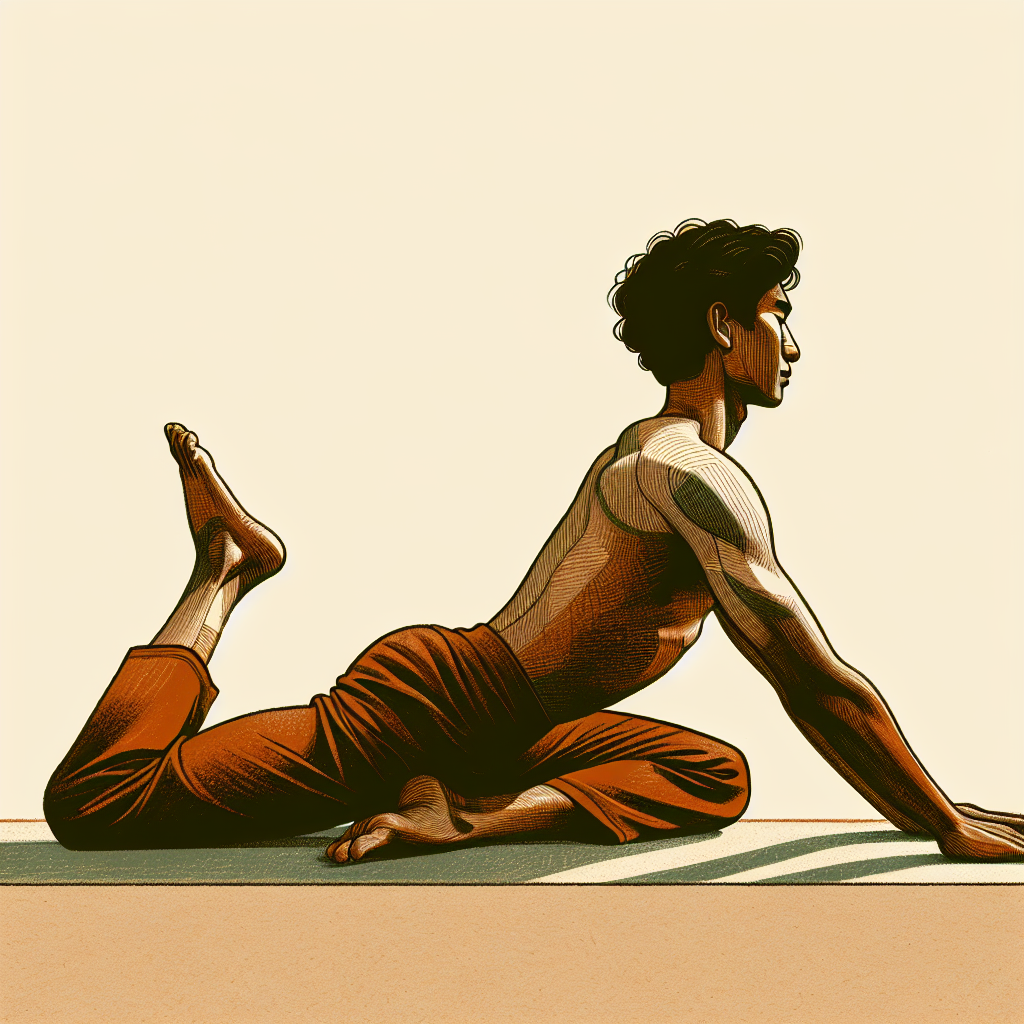
Sphinx Pose
Lumbar erectors, Hip flexors (mild)
beginner · 45s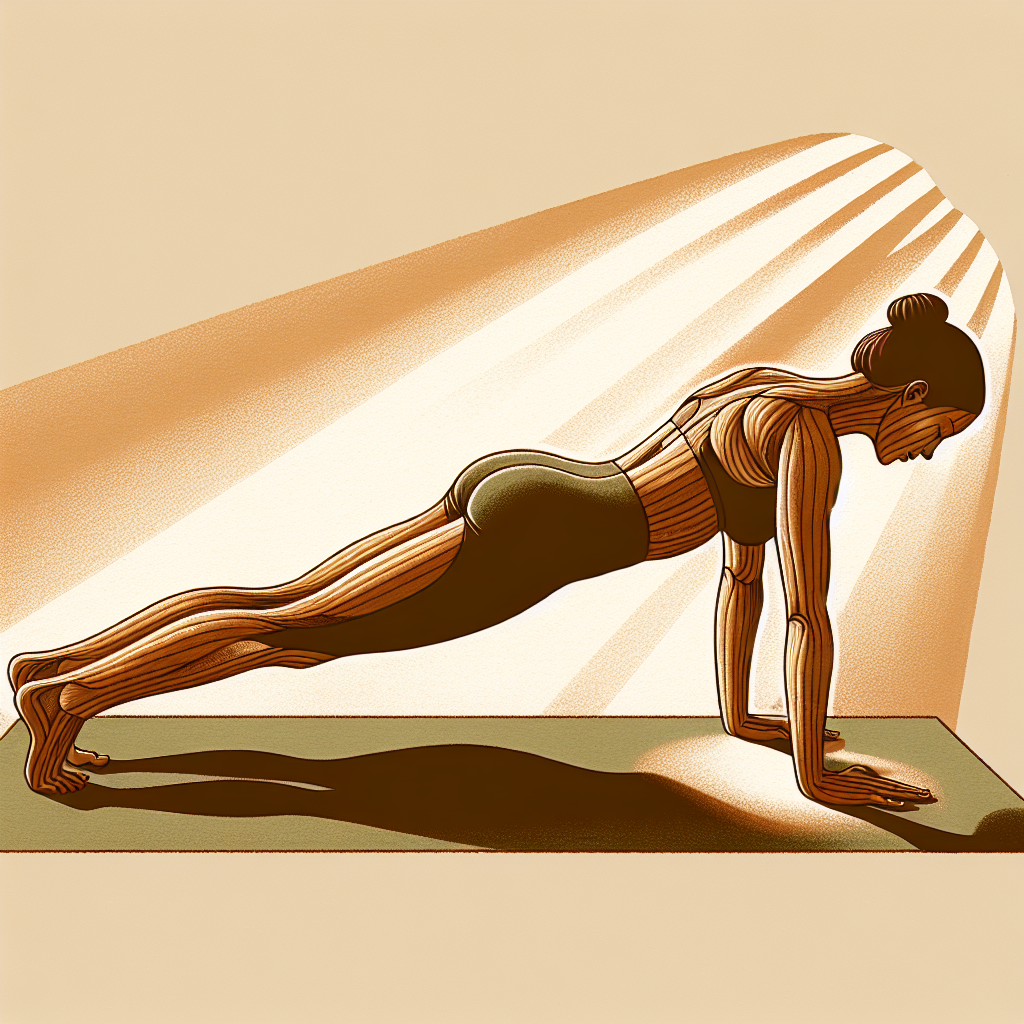
McKenzie Press-Up
Lumbar erectors, Abdominals (lengthened)
intermediate · 5s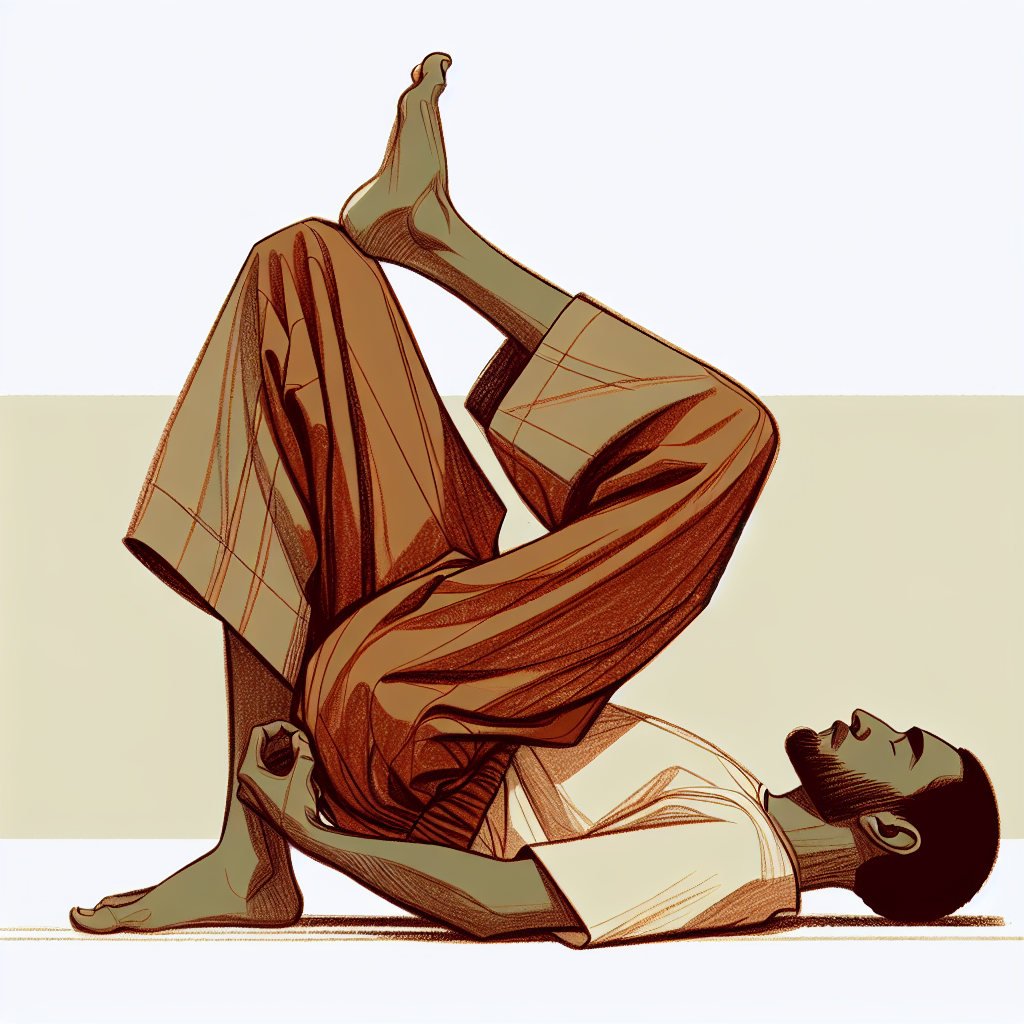
Pelvic Tilt
Transverse abdominis, Lower abdominals
beginner · 5s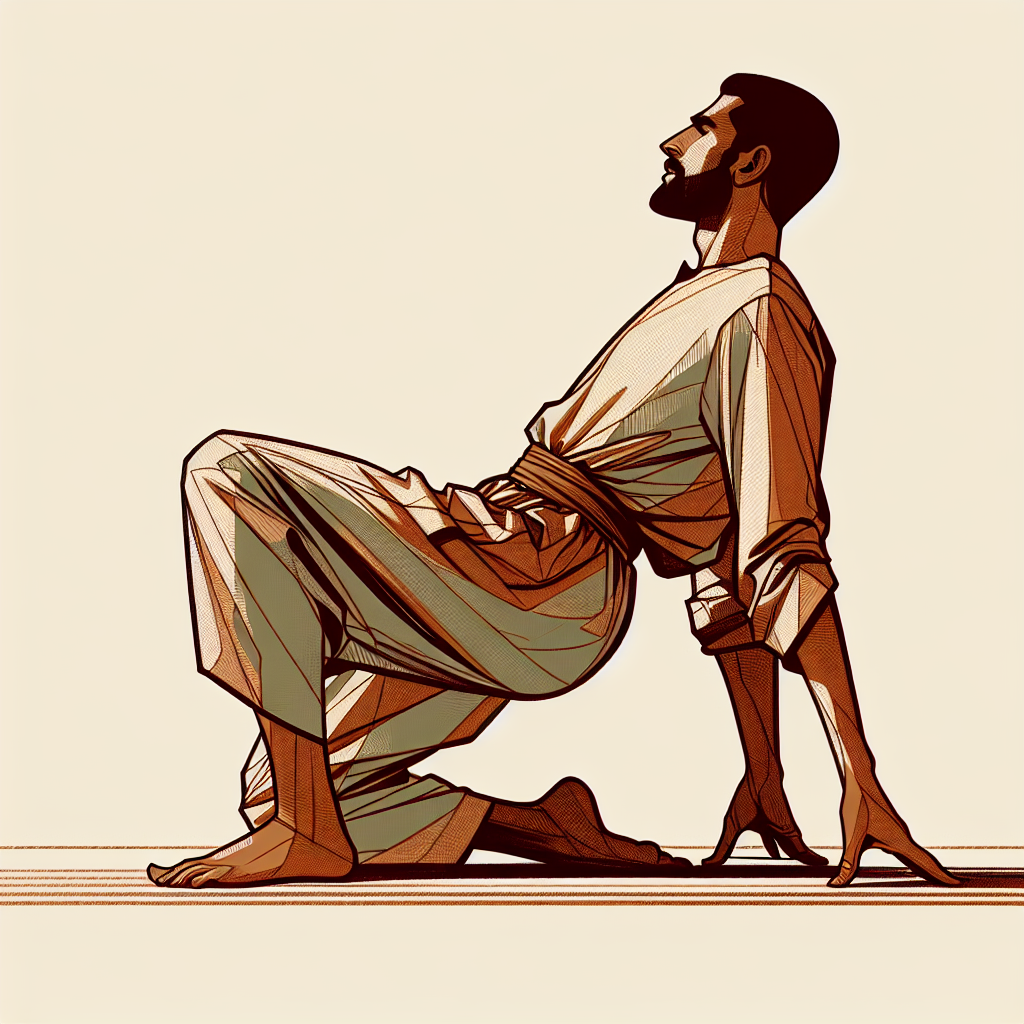
Glute Bridge
Glute max, Hamstrings
beginner · 5s