Pelvic Tilt
By Oliver Wakefield-SmithLast reviewed 2026-08-021 primary source cited→ AboutPelvic tilts are a basic exercise in lumbar stabilisation programmes. The reasoning comes from Hodges and Richardson (1996), who found the transversus abdominis switched on later in 15 people with low back pain than in 15 matched controls. That study measured timing, not treatment. A 2016 Cochrane review found motor control exercise gives outcomes similar to other forms of exercise for chronic low back pain, so pick the exercise you will keep doing. None of the studies in our references tests pelvic tilts on their own.
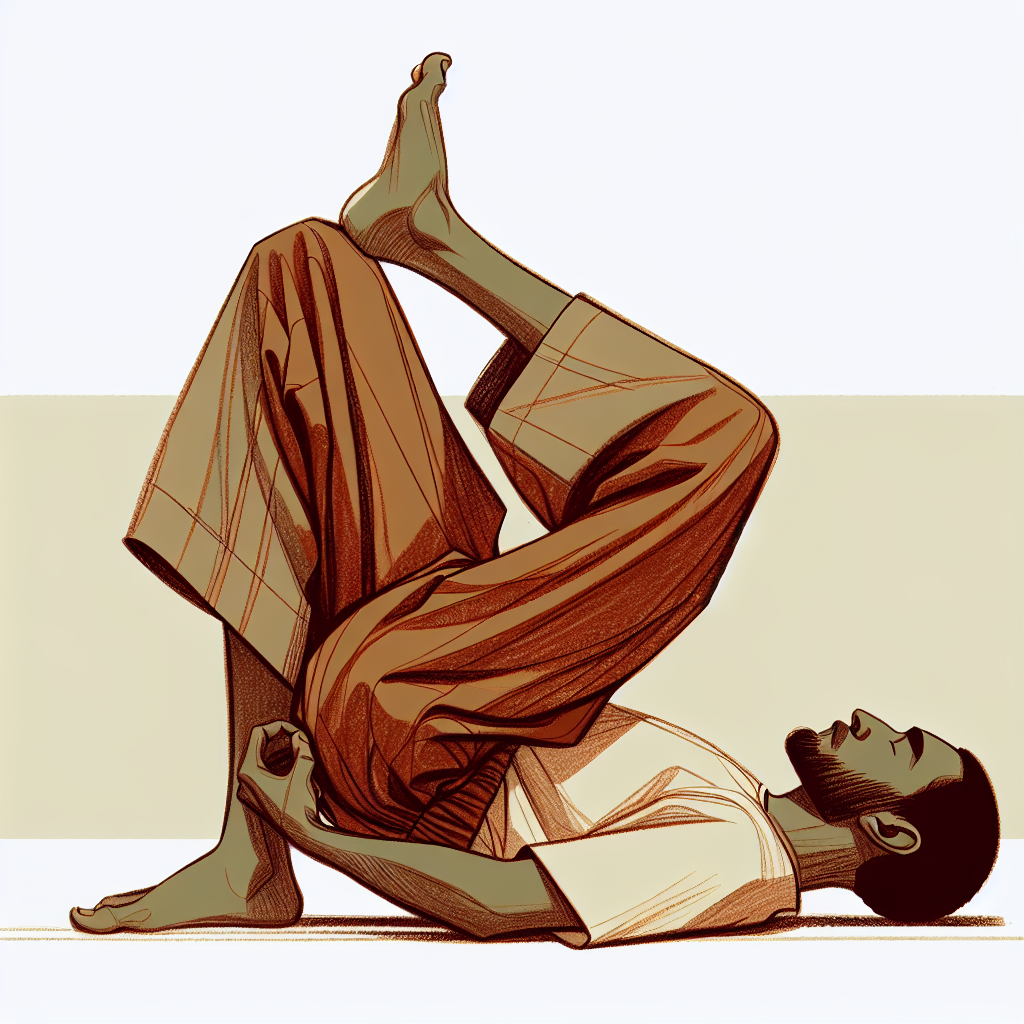
Illustration · follow the steps below for the actual technique
How to do it
- 1
Lie on your back, knees bent, feet flat
Knees bent
- 2
Notice the natural arch in your lower back
Find your arch
- 3
Tilt your pelvis to flatten your low back into the floor
Flatten the arch
- 4
Engage your lower abdominals to hold this position
Lower abs engage
- 5
Hold 5 seconds, release. Repeat 10 times
Ten reps
The evidence
Pelvic tilts are a basic exercise in lumbar stabilisation programmes. The reasoning comes from Hodges and Richardson (1996), who found the transversus abdominis switched on later in 15 people with low back pain than in 15 matched controls. That study measured timing, not treatment. A 2016 Cochrane review found motor control exercise gives outcomes similar to other forms of exercise for chronic low back pain, so pick the exercise you will keep doing. None of the studies in our references tests pelvic tilts on their own.
Citation: Hodges PW, Richardson CA (1996). Inefficient muscular stabilization of the lumbar spine associated with low back pain. A motor control evaluation of transversus abdominis. Spine · DOI: 10.1097/00007632-199611150-00014